In recent years, the rapid rise of the outdoor economy has become a significant driver of consumer demand and industrial innovation. Activities such as camping, overlanding, RV travel, outdoor photography, and off-grid leisure have evolved from niche interests into mainstream lifestyle choices. As outdoor experiences become more diversified and comfort-oriented, demand for stable, flexible, and clean power solutions has increased sharply. Against this backdrop, portable energy storage systems are emerging as a core component of modern outdoor living.
The Rise of the Outdoor Economy and Changing Power Needs
The outdoor economy reflects a broader shift in consumer behavior—from short, basic trips toward immersive, experience-driven outdoor activities. Modern outdoor users seek not only nature and freedom but also convenience, safety, and connectivity. This shift has fundamentally changed power consumption patterns in outdoor environments.
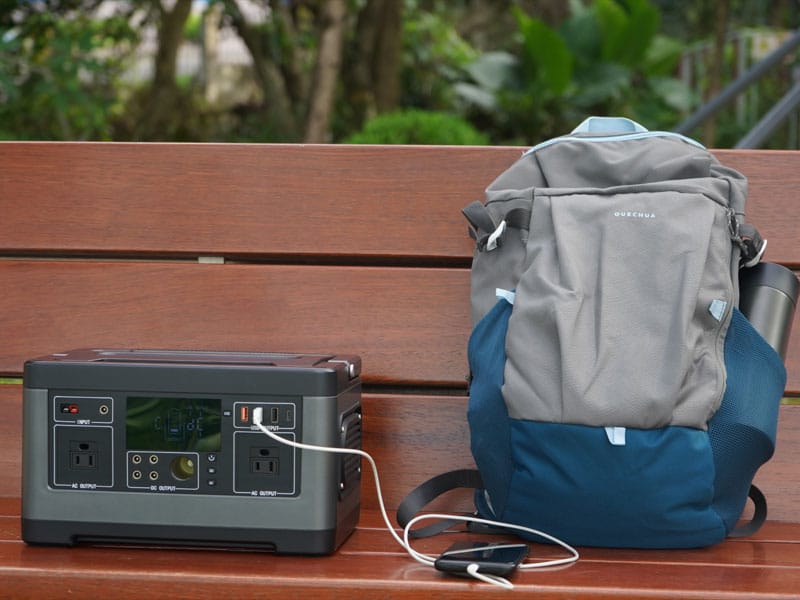
Today’s outdoor activities often involve multiple electronic devices, including smartphones, cameras, drones, laptops, portable refrigerators, cooking appliances, and entertainment systems. Traditional power solutions such as vehicle batteries or fuel generators are increasingly unable to meet these evolving demands due to limitations in safety, noise, emissions, and flexibility. Portable energy storage has emerged as a practical and reliable alternative.
Portable Energy Storage Becomes Essential Outdoor Equipment
Portable energy storage systems offer a combination of mobility, ease of use, and multi-device compatibility, making them well suited for outdoor scenarios. Unlike traditional generators, they operate quietly, produce no emissions, and require minimal maintenance. These advantages have positioned portable energy storage products as essential equipment for outdoor enthusiasts.
In camping scenarios, portable power stations provide electricity for lighting, cooking, cooling, and charging devices, significantly improving comfort and convenience. For long-distance self-driving and RV travel, they serve as supplementary or even primary power sources, supporting extended stays in remote locations without grid access.
Camping and Glamping Drive Market Expansion
The rapid expansion of camping and “glamping” (glamorous camping) has been a major catalyst for portable energy storage adoption. As camping evolves from a minimalist activity into a lifestyle experience, users increasingly rely on electrical appliances to enhance comfort.
Portable energy storage enables campers to use electric kettles, induction cookers, coffee machines, heaters, and projectors, transforming traditional campsites into functional living spaces. This trend has expanded the user base from hardcore outdoor enthusiasts to families, couples, and casual travelers, accelerating market growth.
Overlanding and RV Travel Increase Demand for Off-Grid Power
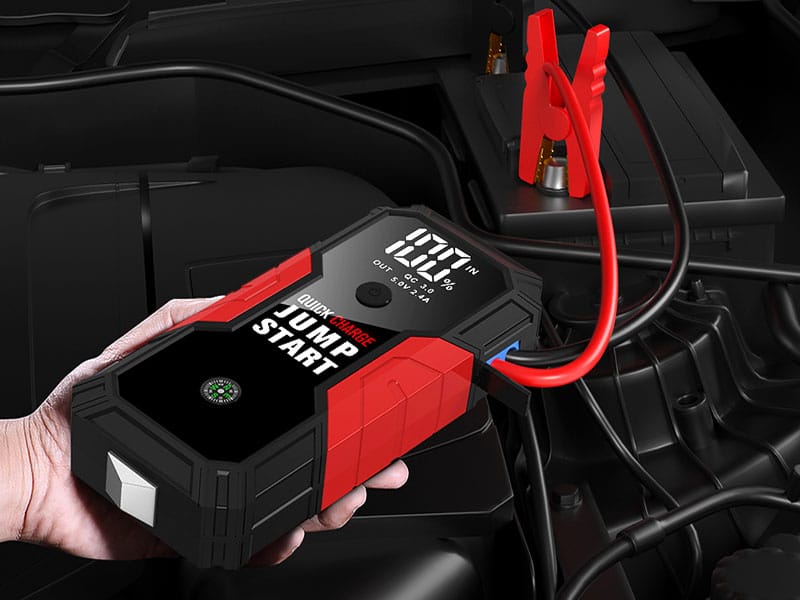
Overlanding and RV travel emphasize long-term mobility and self-sufficiency. In these scenarios, power stability and reliability are critical. Portable energy storage systems offer flexible deployment and can be charged through multiple methods, including vehicle charging and solar panels.
By integrating portable energy storage into their power systems, travelers can reduce reliance on campsite hookups or fuel-based generators. This enhances independence, lowers operating costs, and aligns with environmentally conscious travel values.
Emergency Preparedness in Outdoor Environments
Outdoor activities often involve exposure to unpredictable weather and environmental conditions. Portable energy storage plays a crucial role in emergency preparedness by providing backup power for communication devices, navigation equipment, medical tools, and lighting.
In remote or off-grid areas, the ability to maintain power during emergencies can significantly improve safety and response capability. This practical value further strengthens the relevance of portable energy storage in outdoor applications.
Technological Advancements Enable Broader Outdoor Applications
The expansion of outdoor applications is closely tied to technological progress in portable energy storage. Advances in lithium battery chemistry have improved energy density, allowing higher capacity within compact designs. Improved thermal management and battery management systems enhance safety and durability under varying outdoor conditions.
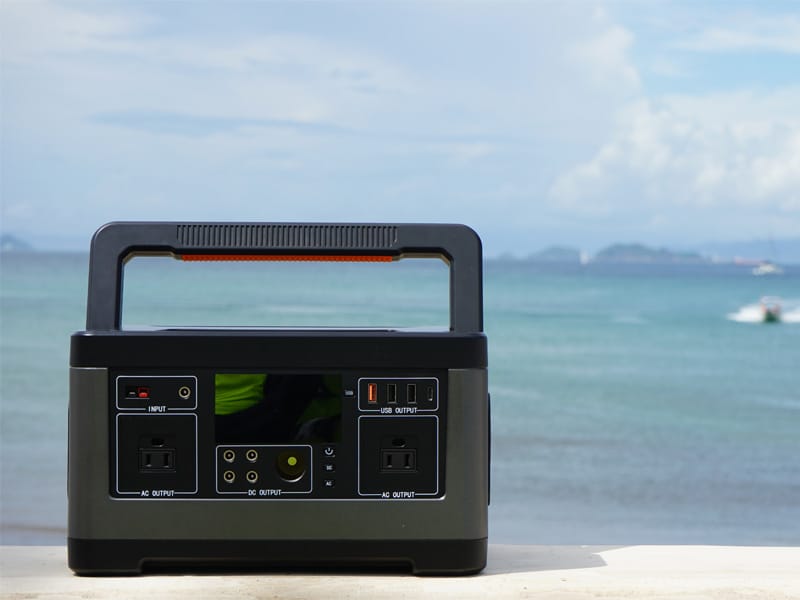
Modern portable energy storage systems also feature multiple output options, including AC, DC, USB, and fast-charging ports, enabling simultaneous use of diverse devices. Intelligent displays and monitoring systems provide real-time information on power status, further improving user experience.
Integration with Renewable Energy Supports Sustainable Outdoor Living
Sustainability is becoming an increasingly important consideration within the outdoor economy. Portable energy storage systems can be paired with solar panels to create clean, renewable off-grid power solutions. This integration reduces dependence on fossil fuels and minimizes environmental impact.
For environmentally conscious consumers, portable energy storage represents a responsible energy choice that aligns with the values of outdoor exploration and nature preservation. This sustainability advantage strengthens long-term demand and supports broader adoption.
Market Segmentation Driven by Outdoor Scenarios
As outdoor applications diversify, the portable energy storage market is becoming more segmented. Manufacturers now offer products tailored to specific scenarios, ranging from lightweight, compact units for short trips to high-capacity systems for extended outdoor stays.
Customization options such as modular expansion, waterproof designs, and enhanced durability further improve suitability for outdoor use. These scenario-based solutions increase product relevance and drive deeper market penetration.
Influence of the Outdoor Economy on Industry Innovation
The rapid growth of the outdoor economy has accelerated innovation across the portable energy storage industry. Manufacturers are increasingly focused on balancing portability, capacity, and performance to meet outdoor users’ expectations.
Design improvements emphasize ruggedness, ease of transport, and intuitive operation, while ongoing R&D efforts aim to enhance charging efficiency, battery lifespan, and overall reliability. This innovation cycle benefits both consumers and the broader energy storage industry.
Expanding Beyond Recreation into Commercial Outdoor Use
Beyond recreational activities, portable energy storage is also gaining traction in commercial outdoor applications such as mobile exhibitions, outdoor events, field research, and temporary work sites. The same characteristics that appeal to recreational users—mobility, quiet operation, and clean energy—make portable energy storage ideal for professional outdoor environments.
This crossover between leisure and commercial use further expands market potential and reinforces the role of portable energy storage as a versatile power solution.
A Strong Growth Outlook for Portable Energy Storage
The continued expansion of the outdoor economy is expected to sustain strong demand for portable energy storage in the coming years. As outdoor lifestyles become more deeply integrated into modern consumption patterns, reliable and flexible power solutions will remain essential.
Looking ahead, portable energy storage is likely to transition from an optional accessory to a standard component of outdoor equipment. With ongoing technological innovation, increased sustainability awareness, and expanding application scenarios, portable energy storage will play an increasingly important role in supporting the future of outdoor living.